A Cup Between the Sun and the Moon
My parents gave me a name shaped by meaning and care: Mentari, the sun; Tri, three—balance and continuity; Wulan, the moon; and Sari, beauty and essence. I carry light and calm, day and night, movement and pause.
Indonesian Coffee Culture
Coffee, in Indonesian culture, lives in that same rhythm.
In Indonesia, coffee is not something you rush. It is an invitation. When someone says “Mari minum kopi”—let’s have coffee—they are not offering only a drink. They are offering time, attention, and presence. In homes, roadside warung kopi, and village kitchens, coffee marks the moment when strangers become guests, and guests become friends. A cup of coffee is permission to sit, to talk, and to stay a little longer.
Growing Up
Growing up, coffee was never separate from people. It arrived when guests arrived. It followed long conversations and quiet ones. It was shared at wooden tables, poured with patience, and served without expectation of return. In many Indonesian homes, offering coffee to a visitor is an expression of respect and welcome, a small but meaningful gesture that says:you are safe here; you belong, even if only for this moment.

Indonesian Coffee History
Coffee in Indonesia carries history within it—some of it heavy, some of it resilient. Introduced during the Dutch colonial period in the late 17th century, coffee was once a commodity grown through forced systems that shaped the land and the lives of farmers. But over time, coffee moved beyond plantations and ports. It entered kitchens, cups, and conversations. What began as an export crop transformed into a deeply rootedsocial ritual, embedded in daily life and local identity.
Bringing People Together
Each region tells its own story through coffee. Gayo, Toraja, Java, Bali—these are not just names of origin, but expressions of place, memory, and pride. People speak of coffee the way they speak of home. Brewing methods like kopi tubruk, simple and unfiltered, reflect the Indonesian value of honesty and togetherness: nothing hidden, nothing rushed, shared exactly as it is.
What makes Indonesian coffee special is not only the soil or the flavor—it is the way it gathers people. Coffee shops, from humble warkop to modern cafés, function as social spaces where stories are exchanged and relationships are formed. Ideas are born at coffee tables. Friendships grow in the pauses between sips. Coffee creates a neutral ground—no hierarchy, no titles—just human connection.
An Act of Belonging
This is why coffee matters to me.
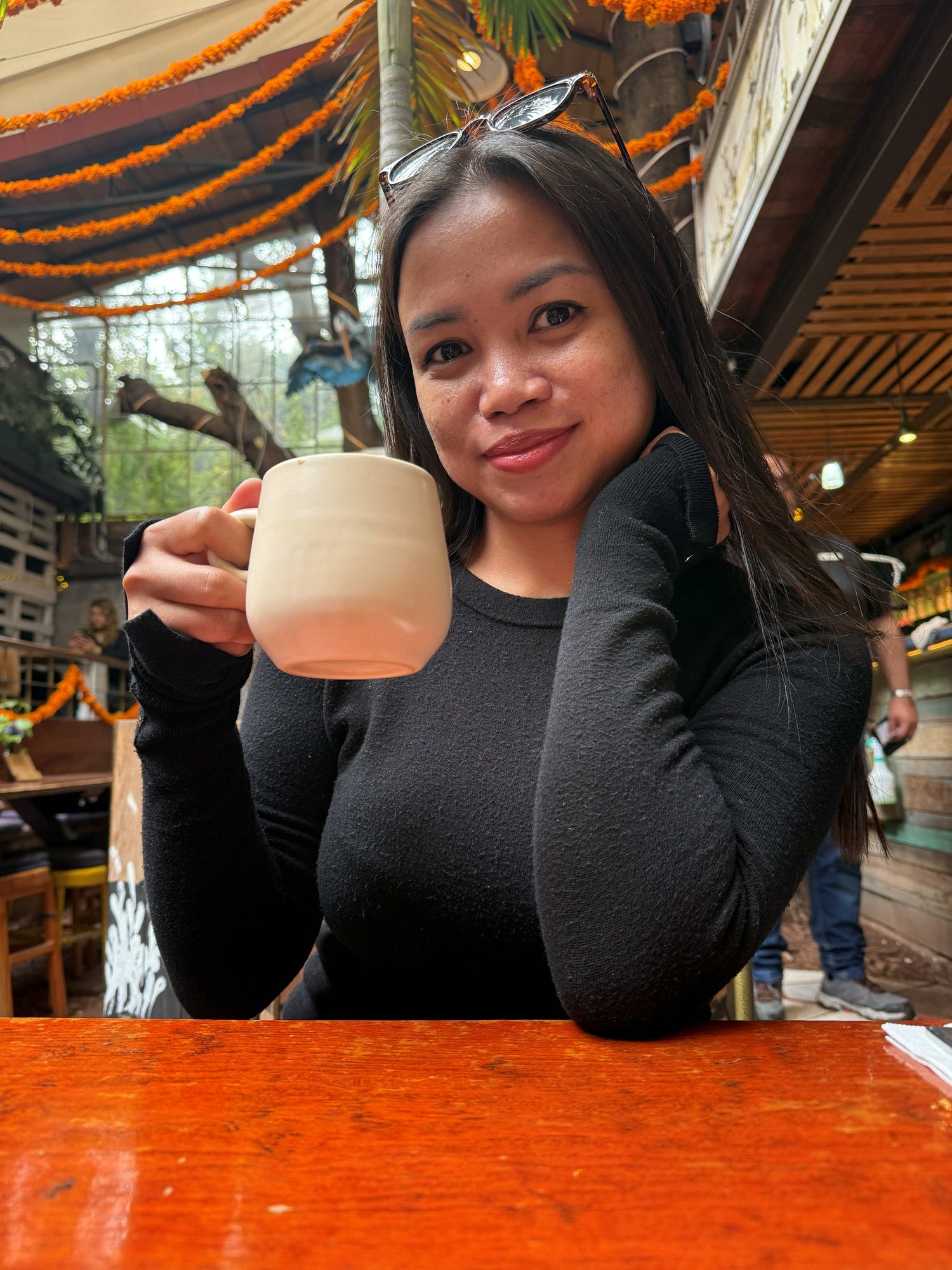
When I think of coffee, I do not think first of taste. I think of the way it slows time. I think of the conversations that would not have happened without it. I think of the warmth of being offered a cup—not because you asked, but because you were seen.
My passion for coffee comes from this belief: coffee is a bridge. Between sun and moon. Between past and present. Between people who have just met and people who will remember each other forever.
In every cup, I see my name reflected back to me.
Light and calm. Warmth and reflection.
A simple act that carries beauty.
And that is why coffee, to me, is never just coffee.
It is an act of belonging.